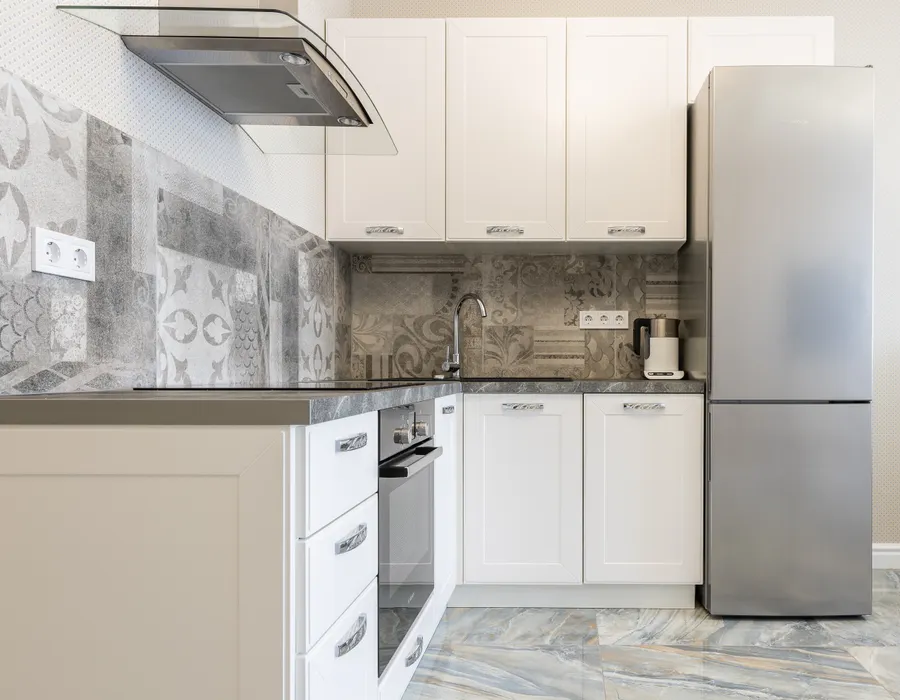
Appliance Repair Miami Get connected with a local repair professional.
Refrigerator not cooling? Washer stopped spinning? Tell us what's going on and get connected with an independent appliance repair contractor serving your Miami ZIP code.
 Refrigerator
 Washer
 Dryer
 Dishwasher
Appliance repair help for your Miami home.
The appliances you rely on every day are the ones that cause the most disruption when they fail. Choose yours to learn about common problems and get connected with a contractor who works on it.
Refrigerator repair
Warm compartments, leaks, frost build-up, ice maker trouble or new noises. In Miami's heat, a struggling fridge is worth attention quickly.
Refrigerator repair in Miami
Washer repair
Front-load and top-load washers that won't drain, won't spin, leak onto the floor, shake loudly or stop mid-cycle with an error code.
Washer repair in Miami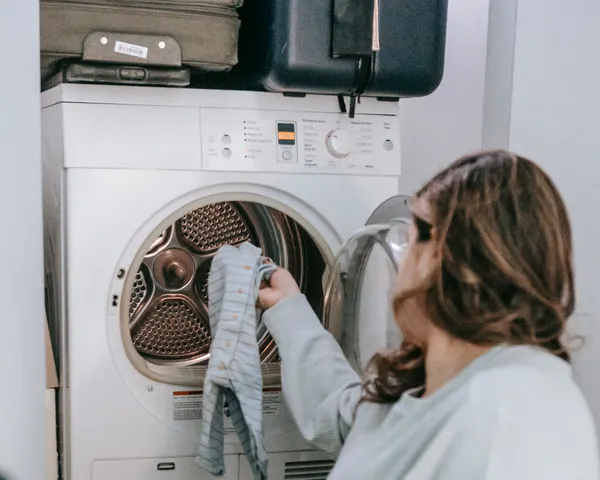
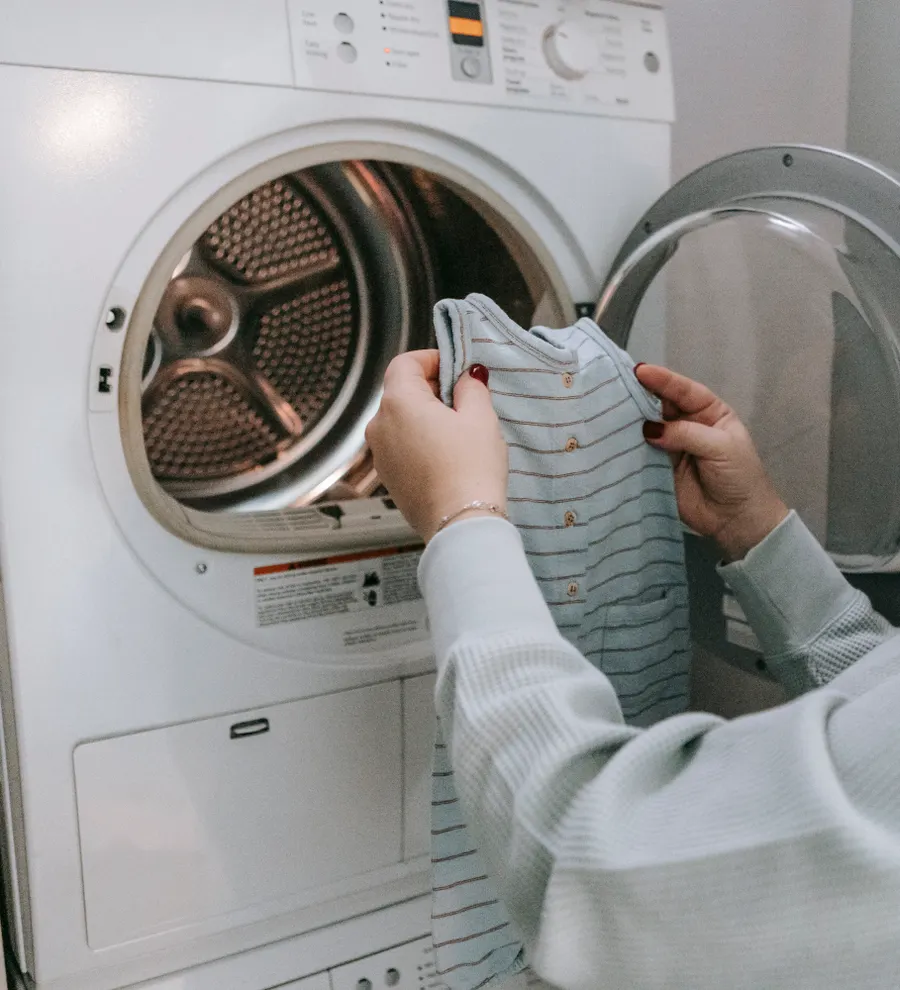
Dryer repair
Gas and electric dryers that run without heat, take several cycles to dry a load, squeak, thump or shut off early.
Dryer repair in Miami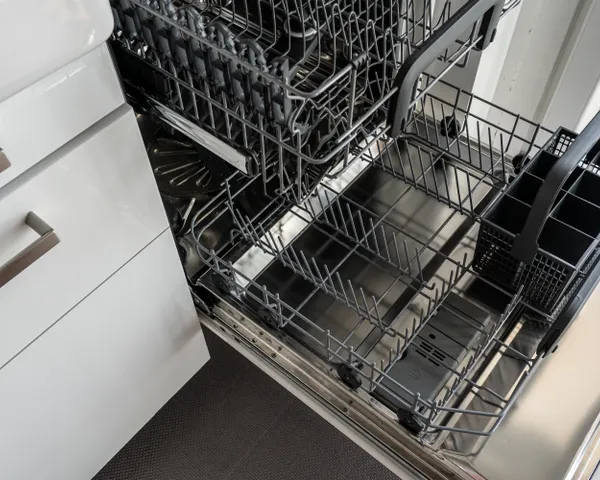
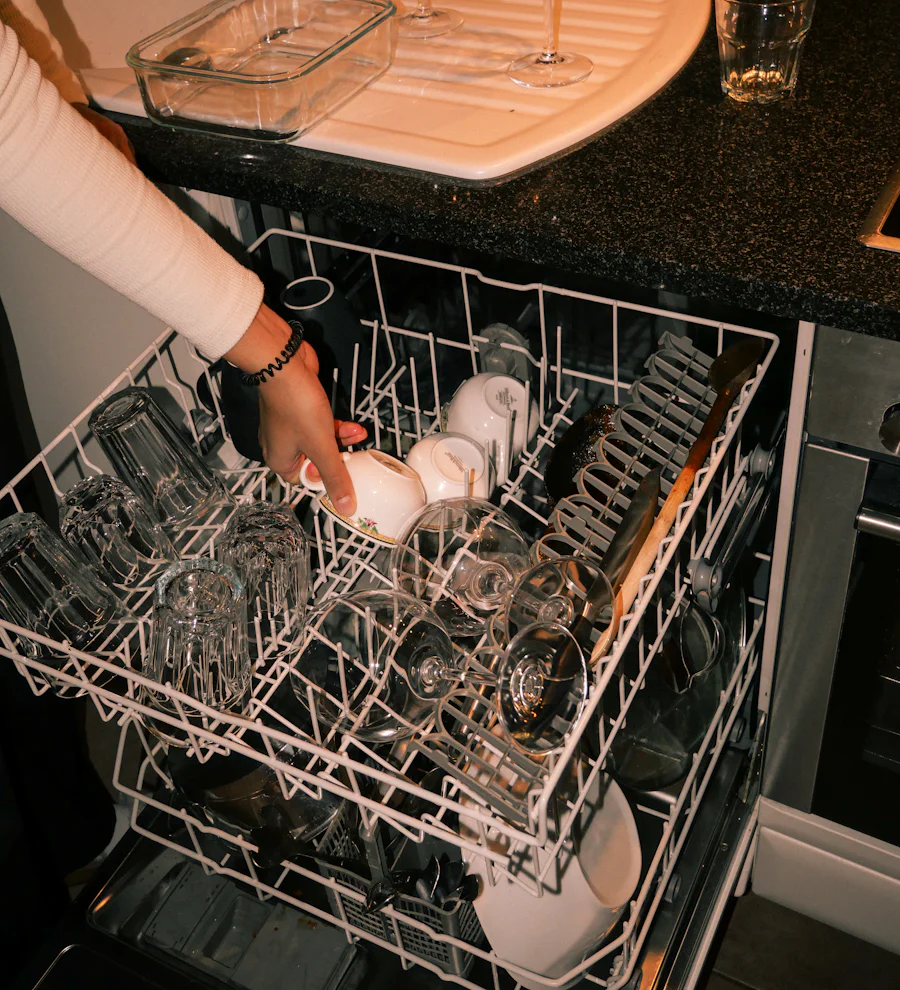
Dishwasher repair
Standing water after a cycle, dishes that come out cloudy or dirty, leaks under the door, or a unit that won't start at all.
Dishwasher repair in MiamiKnow your appliance type
Telling the contractor exactly what you have makes the first conversation faster, because different designs fail in different ways.
- Refrigerators
- Top-freezer, bottom-freezer, side-by-side, French door or built-in, with or without an ice maker and water dispenser.
- Washers
- Front-load, top-load with an agitator or impeller, or a stacked washer and dryer pair.
- Dryers
- Electric or gas, and whether it vents outside or is a ventless model.
- Dishwashers
- Built-in under the counter, drawer style, or portable, plus whether it has a separate filter you can clean.
What is your appliance telling you?
Most appliance trouble starts with a symptom you can see, hear or smell. Pick an appliance to see the problems Miami homeowners most often describe and what they can point to.
Refrigerator problems
A refrigerator runs around the clock, so small issues tend to show up as temperature or noise changes first.
- Not cooling enoughFood spoils early or drinks aren't cold. The FDA recommends keeping the refrigerator at 40°F or below and the freezer at 0°F, so an appliance thermometer is a useful first check.
- Water on the floor or insideOften linked to a blocked defrost drain, a water line or an ice maker connection.
- Frost build-up in the freezerCan point to a door seal that isn't closing fully or a defrost system problem.
- Clicking, buzzing or running constantlyA change in sound or a compressor that never seems to rest is worth having checked.
When to call: if temperatures stay high after you've checked the settings, cleared the vents and confirmed the door seals, it's time for a professional diagnosis, ideally before food is at risk.
Refrigerator repair guideWasher problems
Washers combine water, motors and heavy loads, so drainage and balance issues are among the most common complaints.
- Won't drainWater left in the drum may come from a kinked hose, a clogged pump filter or a pump that has stopped working.
- Won't spin or agitateCan involve the lid or door lock, a drive belt, the motor or the control board.
- Leaking during a cycleCheck hose connections first; front-load door seals can also wear or tear over time.
- Loud banging or walkingOften an unbalanced load, but persistent shaking can indicate worn suspension parts.
When to call: if water keeps leaking, the drum won't turn with a balanced load, or the same error code returns after a reset, stop using the washer and arrange a repair.
Washer repair guideDryer problems
Dryers depend on heat and airflow working together. When either one drops, drying times climb quickly.
- Runs but doesn't heatPossible causes include a heating element or gas valve issue, a thermal fuse, or restricted airflow.
- Takes too long to dryA full lint screen or a clogged vent is a common cause, and it is also a fire-safety concern.
- Squeaking, thumping or grindingWorn rollers, belts or bearings tend to announce themselves with new noises.
- Shuts off early or won't startCan relate to the door switch, overheating protection or the controls.
When to call: a burning smell, a dryer that feels unusually hot on the outside, or any gas odor means stop using it right away. Turn it off and get professional help.
Dryer repair guideDishwasher problems
Dishwashers fill, heat, spray and drain in sequence, so a fault at any stage can leave dishes dirty or water behind.
- Standing water after a cycleA clogged filter or a blocked drain hose is often involved, along with the drain pump.
- Dishes not getting cleanBlocked spray arms, a dirty filter or low water temperature can all reduce cleaning.
- Leaking from the doorDoor gaskets, loading habits and leveling can all contribute.
- Won't start or stops mid-cycleCan be a door latch, a control issue or a power supply problem.
When to call: if water remains after you've cleaned the filter, or you find water under the cabinet or around the door, turn the dishwasher off to protect your floors and cabinets.
Dishwasher repair guide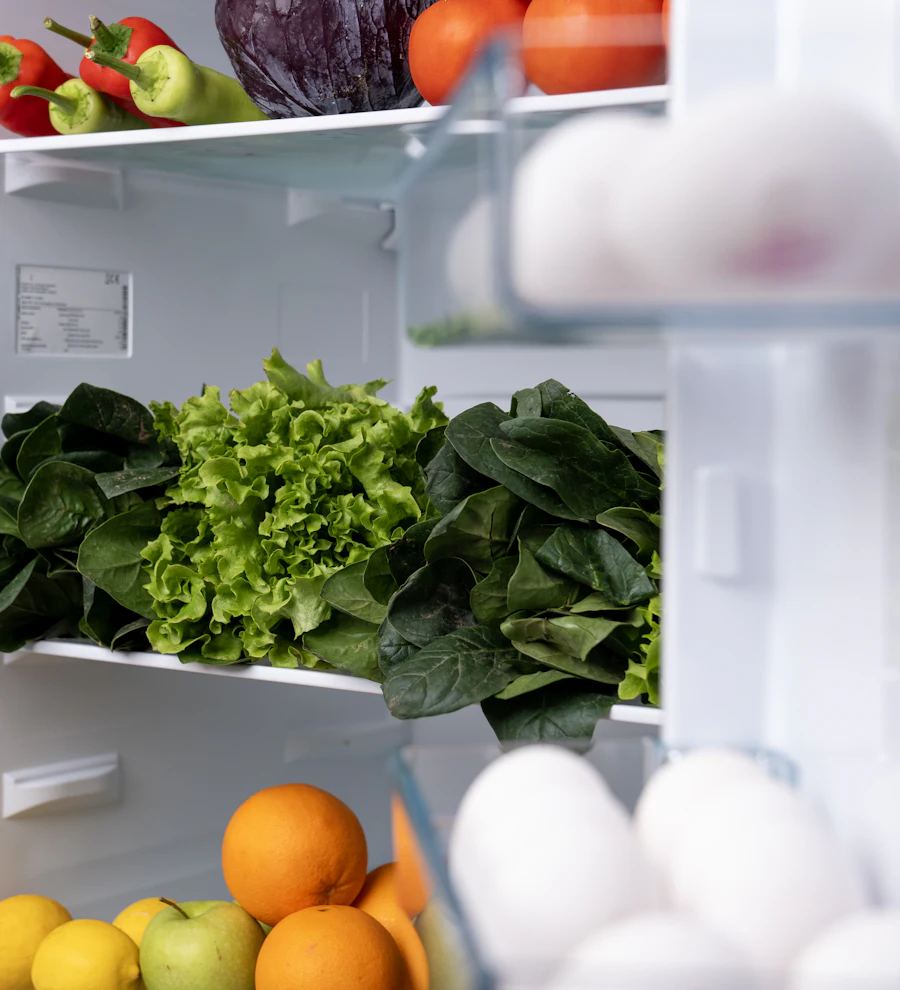
From problem to repair help in three steps.
This website is a simple starting point. Here's what using it looks like.
- 1
Describe the problem
Tell us which appliance is acting up, what you're noticing, and your ZIP code. The checklist below helps you prepare.
- 2
Get connected
Your call is connected with an independent appliance repair contractor who serves your part of Miami, so you can explain the problem in your own words.
- 3
Agree on the details
Discuss the diagnosis, pricing and timing directly with the contractor, and confirm their license and insurance before work begins. You decide whether to go ahead.
What Miami's climate means for your appliances.
South Florida is a demanding place for household appliances. A few local conditions are worth keeping in mind, both for prevention and when you describe a problem.
Heat and humidity
Refrigerators and freezers work harder when kitchens are warm, and humid air can add frost and condensation. Keeping the condenser area clean and the door seals in good shape helps them keep up. In laundry rooms, humidity can also leave front-load washers smelling musty if the door stays shut between loads.
Salt air near the coast
In homes close to the water, such as parts of Miami Beach, salty air can speed up corrosion on exposed metal parts, especially in garages, patios and outdoor laundry areas.
Hurricane season and power events
The Atlantic hurricane season runs from June 1 to November 30. Outages and power fluctuations can affect appliance electronics, so emergency guidance such as Ready.gov suggests unplugging sensitive equipment during an outage. When power returns, give appliances a few minutes before restarting them and watch for error codes.
Condo and apartment living
Many Miami homes are in condo buildings with their own rules for repair visits, service elevators and water shut-offs. Checking with building management first can save time on the day, and some buildings ask for advance notice or contractor details.
A year of appliance care in Miami
Miami doesn't have a winter in the usual sense, but the calendar still shapes how hard your appliances work. A little attention at the right time helps.
- January – March
Catch-up maintenance
The drier, milder months are a good time to clean refrigerator condenser coils, have the dryer vent checked and clear dishwasher filters.
- April – May
Get storm-ready
Before hurricane season, check your fridge and freezer temperatures, know where the water shut-off valves are and consider surge protection.
- June – November
Hurricane season
During an outage, keep refrigerator and freezer doors closed. USDA guidance says a closed refrigerator keeps food safe for about 4 hours, and a full freezer for about 48.
- December
Busy kitchens
Holiday cooking and visiting family mean fuller fridges and more dishwasher cycles. Clean filters and don't overpack shelves so air can circulate.
Connecting homeowners across Miami.
Our coverage is based on verified campaign ZIP code data, so the most reliable way to check is by ZIP code rather than neighborhood name.
Covered areas currently include ZIP codes in Miami, Miami Beach, Miami Gardens and North Miami Beach. You can also browse all service areas.
Coverage can change as contractor availability changes, so it's worth checking your ZIP code each time you need help. If yours isn't listed today, check back later.
Living near the water? Our Miami Beach appliance repair guide covers what coastal homes and condo buildings should keep in mind, from salt air to building access rules.
Before you call: a quick checklist.
A few minutes of preparation makes the conversation faster and helps the contractor understand the problem. Some issues even turn out to have a simple cause.
Have this information ready
- Brand and model number. Usually on a label inside the door, along the frame or on the back panel.
- What it's doing. Sounds, smells, error codes and when the problem started.
- Approximate age. And whether it's still under a manufacturer or extended warranty.
- Access details. Your ZIP code, building or gate instructions and preferred times.
Simple checks to try first
- Power. Confirm the appliance is plugged in and the circuit breaker hasn't tripped.
- Settings. Check temperature dials, child locks and cycle selections.
- Filters and lint. Clean the dryer lint screen and, if your model has one, the dishwasher or washer filter.
- Hoses and doors. Look for kinked hoses and make sure doors close and latch fully.
Questions to ask the contractor
Every contractor works a little differently. Asking a few clear questions up front helps you compare options and avoid surprises.
- Is there a fee to diagnose the problem, and does it apply toward the repair?
- What does the estimate include: parts, labor and any return visit?
- Will you use manufacturer (OEM) replacement parts?
- Do you offer any warranty on your parts or labor?
- Can you share your license and insurance details?
- What should I do if the same problem comes back?
Safety first: unplug an appliance before looking behind or underneath it, and turn off the gas supply for gas dryers if you smell gas. Follow your owner's manual, and leave internal electrical, gas and sealed refrigerant work to a qualified professional.
How to decide with confidence.
There's no single right answer, but a few factors usually make the choice clearer. A contractor's diagnosis and written estimate are the best starting point.
01Age and condition
A newer appliance in good shape is usually worth repairing. One near the end of its expected life may not be. Your manufacturer's information is a helpful guide.
02Repair cost vs. new
A common rule of thumb: if the repair costs more than about half the price of a comparable new model, replacement deserves a closer look.
03Energy and water use
Newer ENERGY STAR certified models are often more efficient than older ones, which can matter in a home that runs its appliances hard.
04Warranty and parts
Check for an active warranty before paying for a repair, and ask whether replacement parts are readily available for your model.
If the numbers are close, think about how the appliance fits your home: whether it suits your space and household size, and whether a premium or built-in model would be costly to replace. For a large repair, getting a second estimate is reasonable.
Helpful answers for Miami homeowners.
What can I check before calling about a refrigerator that isn't cooling?
Make sure it has power, the temperature setting hasn't been changed, the door closes and seals fully, and the vents inside aren't blocked by food. If it still isn't cooling, a repair professional can take a closer look.
My washer won't drain. Is there anything I can safely check first?
Unplug the washer, then check that the drain hose isn't kinked or blocked. Some models also have a drain filter; your owner's manual explains whether yours does and how to reach it safely.
Why does my dryer take so long to dry clothes?
Restricted airflow is a frequent cause. Clean the lint screen before every load and have the vent checked if drying times keep climbing. The U.S. Fire Administration identifies failure to clean dryers as a leading cause of home dryer fires.
Should I repair or replace an older appliance?
It usually depends on the appliance's age, its overall condition, and how the repair estimate compares with the cost of a new one. Asking the contractor for an estimate first can help you decide.
What information should I have ready when I call?
The type of appliance, its brand and model number (often on a label inside the door or on the back), a short description of the problem, and your ZIP code.
Is it safe to keep using an appliance that's leaking or smells like burning?
No. A burning smell, sparking, smoke or a gas odor means you should stop using the appliance, switch it off and unplug it if it's safe to do so. For a gas smell, leave the area and contact your gas utility. For leaks, turning off the water supply can limit damage while you arrange a repair.
How can I help my appliances last longer in Miami's climate?
Regular, simple care goes a long way: clean refrigerator condenser coils and dryer lint screens, keep door seals clean, leave the washer door open between loads so it can dry out, and run the dishwasher's filter under water every few weeks. Your owner's manual lists the maintenance recommended for your specific model.
Do contractors work on both gas and electric dryers?
Many appliance repair contractors handle both, but gas dryers involve a gas connection that should only be worked on by someone qualified to do so. When you call, mention whether your dryer is gas or electric so you can confirm the contractor handles your type.
What should I do with food if my refrigerator stops working?
Keep the doors closed as much as possible to hold the cold in. Use an appliance thermometer to check temperatures, and follow food safety guidance from the USDA or FDA on what to keep or discard. A cooler with ice can protect the most perishable items while you arrange a repair.
How do I know if my ZIP code is covered?
Use the ZIP code checker above. It reflects our current coverage list for the Miami area.
Sources and further reading
- Are You Storing Food Safely?U.S. Food and Drug Administration. Refrigerator at 40°F or below, freezer at 0°F; appliance thermometers.
- Keep Your Food Safe During EmergenciesUSDA Food Safety and Inspection Service. About 4 hours for a closed refrigerator; about 48 hours for a full freezer (24 if half full).
- Tropical Cyclone ClimatologyNOAA National Hurricane Center. The Atlantic hurricane season runs from June 1 to November 30.
- Power OutagesReady.gov (FEMA). Disconnect appliances and electronics to avoid damage from electrical surges.
- Appliance and Electrical Fire SafetyU.S. Fire Administration. Failure to clean is the leading factor in home clothes dryer fires.
- Energy Efficient ProductsENERGY STAR. Certified models for comparing efficiency when replacing an appliance.
Appliance acting up? Let's get you connected.
One call is all it takes to reach a local repair professional serving your Miami ZIP code.