Standing water after a cycle
A clogged filter is the most common cause. A kinked or blocked drain hose, a clogged air gap, a garbage disposal connection or a failed drain pump can also leave water behind.
A dishwasher fills, heats, sprays and drains in sequence, so a problem at any stage can leave standing water, dirty dishes or a leak. This page explains the most common dishwasher problems, the simple checks that sometimes solve them, and when to call to get connected with an independent repair contractor serving your Miami ZIP code.
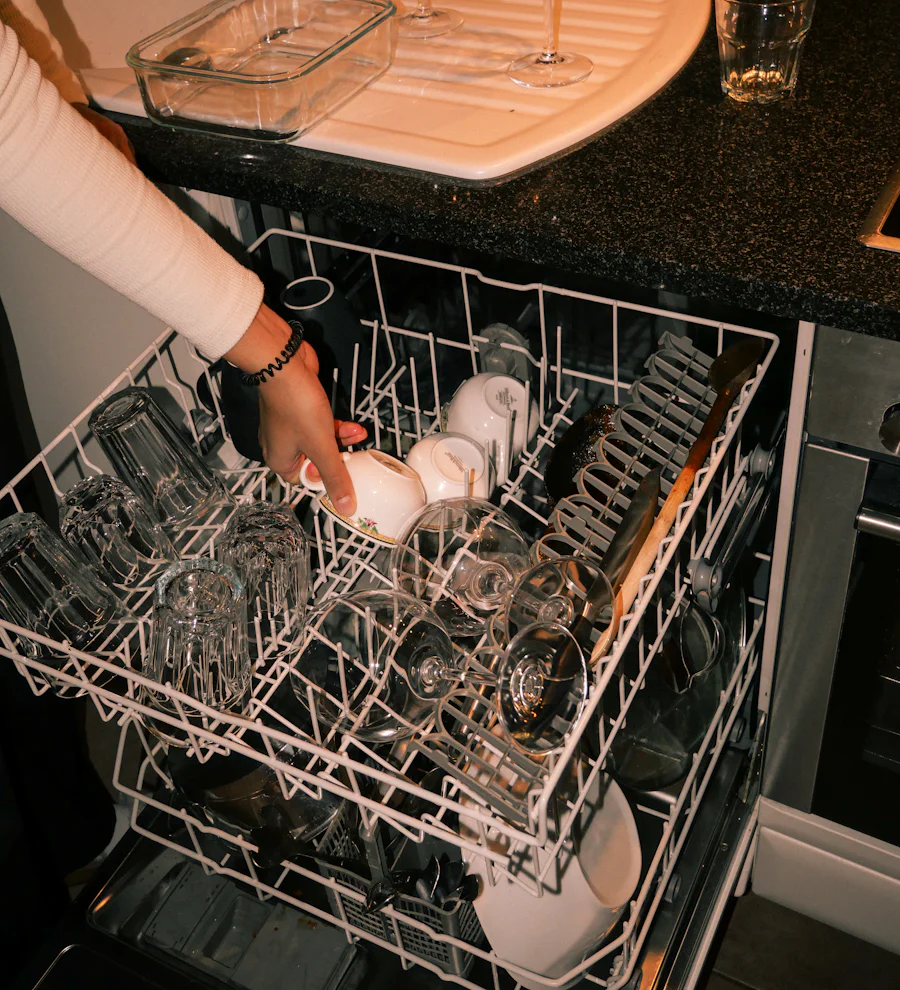
Most dishwasher complaints fall into four groups: draining, cleaning, leaking and starting.
A clogged filter is the most common cause. A kinked or blocked drain hose, a clogged air gap, a garbage disposal connection or a failed drain pump can also leave water behind.
If the dishwasher stopped draining right after a garbage disposal was installed, the disposal's knockout plug may not have been removed. This is a known installation issue worth mentioning to the contractor.
Blocked spray arm holes, a dirty filter, low water temperature, overloading, or water that can't reach the dishes because of how they're loaded can all reduce cleaning.
Mineral deposits from hard water, too little or too much detergent, or an empty rinse aid dispenser are frequent causes.
A worn or dirty door gasket, a dishwasher that isn't level, the wrong detergent producing suds, or a loose water supply or drain connection under the unit.
Can be a door latch that isn't engaging, a control lock that's turned on, a tripped breaker or blown fuse, or a fault in the controls.
Safety first: Turn off the power to the dishwasher before reaching into the bottom of the tub or under the sink, and turn off the water supply if you see a leak. Follow your owner's manual for your model.
This website doesn't set prices. Ask the contractor for a written estimate that separates parts and labor before you approve any work.
Busy household kitchens, from holiday cooking to visiting family, mean more cycles and fuller racks. Cleaning the filter regularly and leaving space between dishes helps the spray reach everything and keeps the drain clear.
Many Miami homes are condos and apartments where a leak can reach the unit below. Water under the cabinet, a warped floor near the dishwasher or water around the door are reasons to stop using it and call, and some buildings have rules for when and how repairs can be scheduled.
Filters, door gaskets, latches, spray arms, drain pumps and inlet valves are common repairs and often worth doing. Failures of the main control board, or a tub that is rusted or cracked, make replacement more worth considering.
Get a diagnosis and written estimate, check whether the dishwasher is still under warranty, and compare the cost with a comparable new model. Newer ENERGY STAR certified dishwashers are often more efficient than older ones.
Discuss the diagnosis, pricing and timing directly with the contractor, and confirm their license and insurance before work begins.
Your owner's manual is the final word for your model, but these habits help most dishwashers run reliably.
Short answers to what Miami homeowners most often ask. For anything not covered here, the contractor can explain what they find.
A clogged filter is the most common cause. A kinked drain hose, a blocked air gap, the garbage disposal connection or a failed drain pump can also leave water behind. Clean the filter first, then call if water remains.
Blocked spray arms, a dirty filter, water that isn't hot enough or overloaded racks are the usual causes. Clean the filter and spray arms, run hot water at the sink before starting, and leave space between dishes.
Mineral deposits from hard water, the wrong amount of detergent or an empty rinse aid dispenser are frequent causes. If adjusting these doesn't help, a contractor can check the water temperature and the rinse aid system.
Common causes include a worn door gasket, a dishwasher that isn't level, too many suds from the wrong detergent, or a loose connection underneath. Turn off the water supply and stop using it until it's checked.
Many manufacturers suggest checking the filter regularly, and more often if you don't pre-rinse dishes. Your owner's manual gives the schedule for your model.
We also connect homeowners with contractors for these appliances. You can check coverage on our service areas page, or read about appliance repair in Miami Beach.
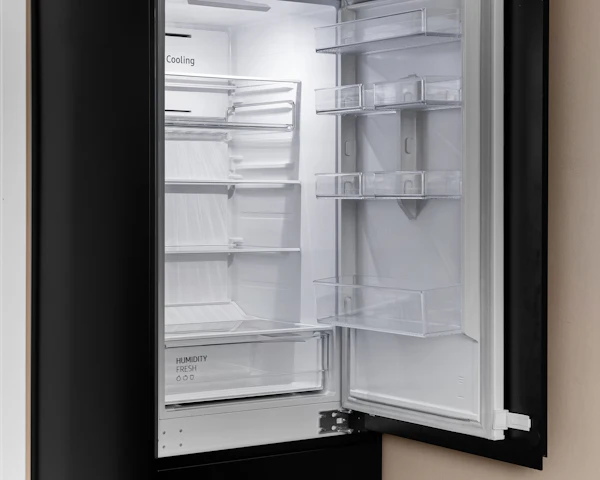
Warm compartments, leaks, frost build-up, ice maker trouble or new noises. In Miami's heat, a struggling fridge is worth attention quickly.
Refrigerator repair in Miami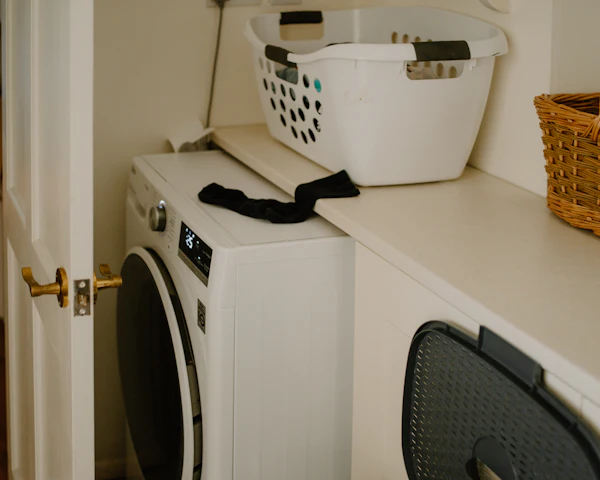
Front-load and top-load washers that won't drain, won't spin, leak onto the floor, shake loudly or stop mid-cycle with an error code.
Washer repair in Miami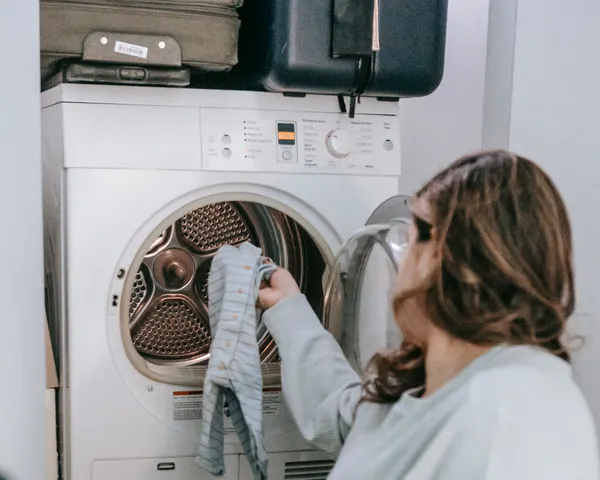
Gas and electric dryers that run without heat, take several cycles to dry a load, squeak, thump or shut off early.
Dryer repair in MiamiOne call is all it takes to reach a local repair professional serving your Miami ZIP code.