Won't drain
Water left in the drum may come from a kinked or clogged drain hose, a blocked pump filter (common on front-load models), or a drain pump that has stopped working.
When a washing machine won't drain, won't spin, leaks or walks across the floor, the cause is usually in the drain, the door or lid lock, the drive system or the suspension. This page explains the most common washer problems for front-load and top-load machines, what you can safely check, and when to call to get connected with an independent repair contractor serving your Miami ZIP code.
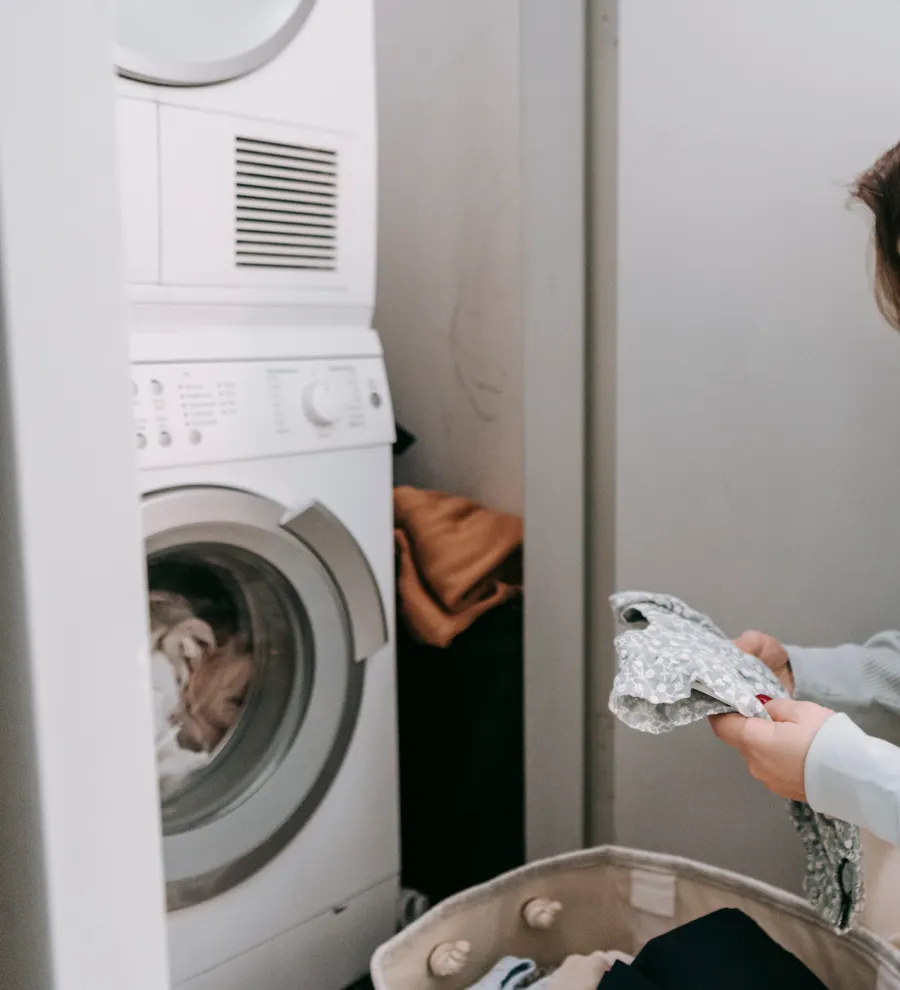
Washers combine water, motors and heavy loads, so drainage, spinning and balance problems are the complaints contractors hear most often.
Water left in the drum may come from a kinked or clogged drain hose, a blocked pump filter (common on front-load models), or a drain pump that has stopped working.
A washer that fills but won't spin can involve the lid switch or door lock, a worn drive belt, the motor or motor coupling, or the control board. A load that is too unbalanced can also stop the spin.
Check the fill hoses and drain hose connections first. On front-load washers, a torn or dirty door gasket is a frequent source, and too much detergent can push suds and water out.
Often an unbalanced load or a washer that isn't level. Persistent shaking with normal loads can point to worn shock absorbers, suspension springs or drum bearings.
Front-load washers can trap moisture in the door gasket and dispenser, especially in humid climates. Residue from too much detergent makes it worse.
Error codes point to a specific system, such as draining, filling, the door lock or motor. Note the exact code and look it up in your owner's manual before you call.
Safety first: Unplug the washer and turn off the water supply before checking hoses, filters or anything behind the machine. Follow your owner's manual for your specific model.
This website doesn't set prices. Ask the contractor for a written estimate that separates parts and labor before you approve any work.
Humidity is the big local factor. Front-load washers in closed laundry rooms or closets can develop mildew in the door gasket and detergent drawer if they never dry out. Leaving the door and dispenser slightly open between loads, wiping the gasket and using the amount of high-efficiency detergent your manual recommends all help.
Many Miami homes and condos have washers in small closets or stacked units, which makes leaks more urgent: water can reach floors, cabinets or the unit below. Knowing where your water shut-off valves are is worth a minute before you need it, and some condo buildings have their own rules for appliance repairs.
Drain pumps, lid switches, door locks, belts and hoses are common repairs and often worth doing on a washer in otherwise good shape. Repairs involving the drum bearings, the transmission or the main control board tend to cost more, so the machine's age and condition play a bigger role.
A diagnosis and written estimate from the contractor is the best starting point. If the repair costs more than about half the price of a comparable new washer, replacement deserves a closer look, and newer ENERGY STAR certified models often use less water and energy.
Discuss the diagnosis, pricing and timing directly with the contractor, and confirm their license and insurance before work begins.
Your owner's manual is the final word for your model, but these habits help most washers run reliably.
Short answers to what Miami homeowners most often ask. For anything not covered here, the contractor can explain what they find.
The most common causes are a kinked or clogged drain hose, a blocked pump filter on front-load models, or a failed drain pump. Unplug the washer before checking, and follow your owner's manual for draining and cleaning the filter.
Moisture and detergent residue can build up in the door gasket and dispenser, which humid weather makes worse. Wipe the gasket after use, leave the door slightly open between loads, and run a cleaning cycle as your manual recommends.
Usually the load is unbalanced or the washer isn't level. If it still shakes with a normal, evenly spread load, worn shock absorbers, suspension springs or bearings may need a contractor's attention.
A washer that fills but won't spin often has a problem with the lid switch or door lock, the drive belt, the motor or the control board. Check that the load is balanced and the door is fully latched, then call if the problem continues.
It's best to stop. Turn off the water supply valves and unplug the washer to limit water damage, especially in a closet or a condo unit, then arrange a repair.
We also connect homeowners with contractors for these appliances. You can check coverage on our service areas page, or read about appliance repair in Miami Beach.
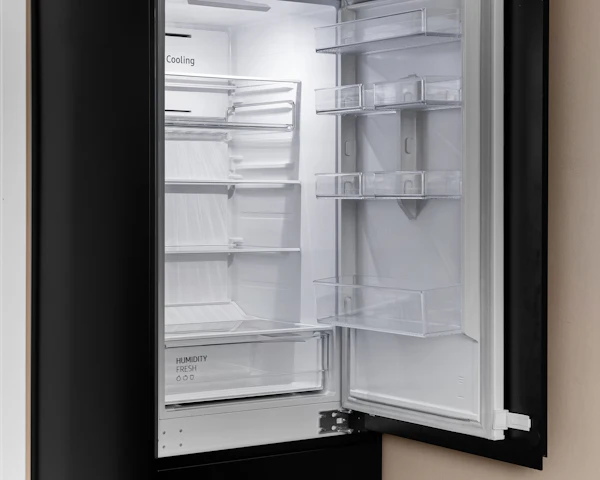
Warm compartments, leaks, frost build-up, ice maker trouble or new noises. In Miami's heat, a struggling fridge is worth attention quickly.
Refrigerator repair in Miami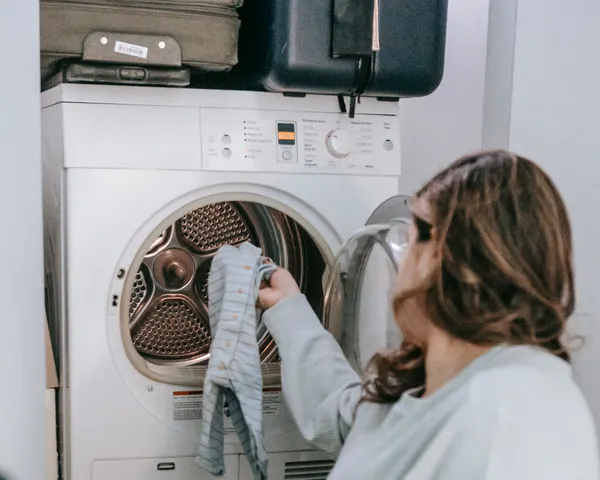
Gas and electric dryers that run without heat, take several cycles to dry a load, squeak, thump or shut off early.
Dryer repair in Miami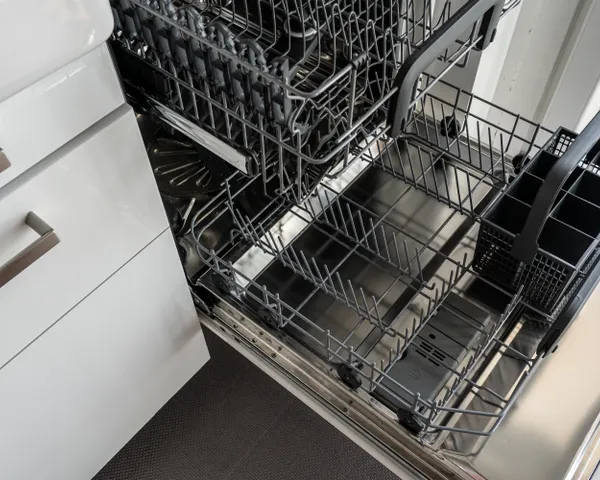
Standing water after a cycle, dishes that come out cloudy or dirty, leaks under the door, or a unit that won't start at all.
Dishwasher repair in MiamiOne call is all it takes to reach a local repair professional serving your Miami ZIP code.