Dryer repair

Dryer repair in Miami

Most dryer problems come down to heat, airflow or worn moving parts. If your gas or electric dryer runs without heating, takes two or three cycles to dry a load, squeaks or shuts off early, this page explains the likely causes, the safety checks worth doing first, and when to call to get connected with an independent repair contractor serving your Miami ZIP code.

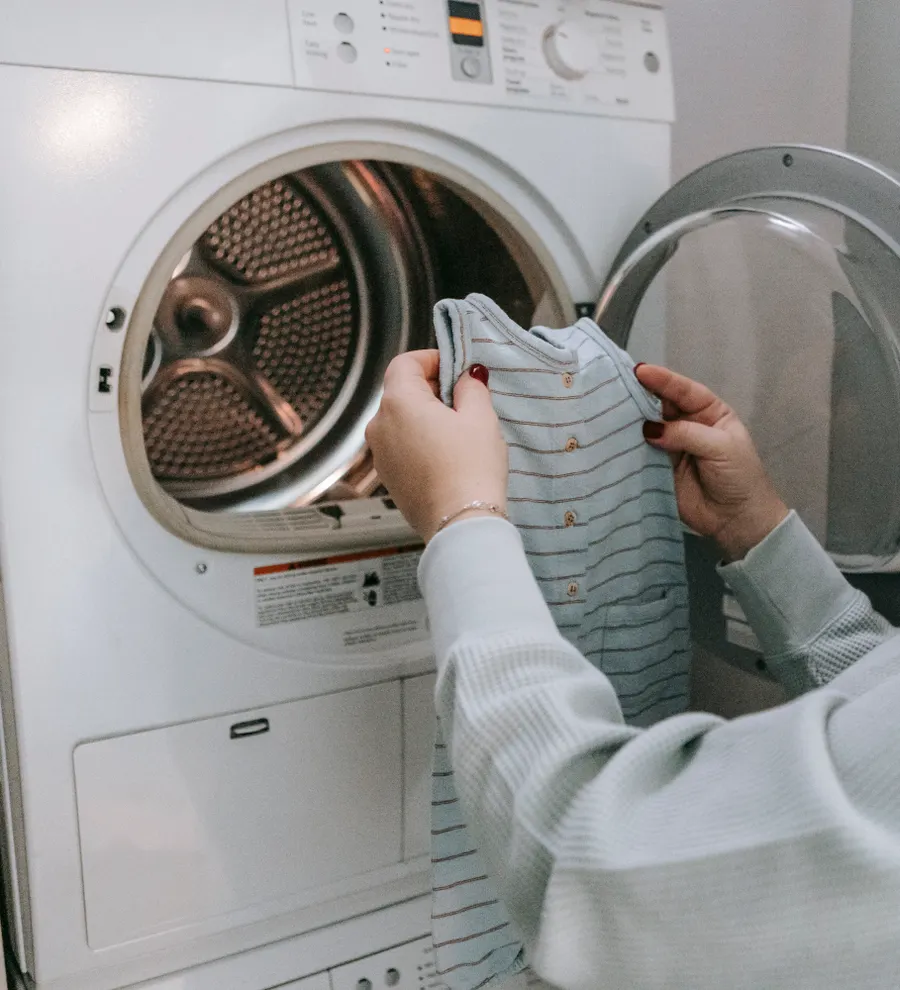
Person checking a garment in the open drum of a front-load clothes dryer
Common problems

Common dryer problems and what usually causes them

Dryers depend on heat and airflow working together. When either one drops, drying times climb quickly, and restricted airflow is also a fire-safety concern.

Runs but doesn't heat

On electric dryers, a failed heating element, a blown thermal fuse or a faulty thermostat are common causes. On gas dryers, the igniter or gas valve coils may be involved. Restricted airflow can also trip the safety devices that cut the heat.
Takes too long to dry

A full lint screen or a clogged, crushed or overly long vent is the most common cause. Overloading the drum and very wet loads from a washer that isn't spinning properly also add time.

Gets very hot or smells like burning

This often means lint has built up inside the dryer or the vent, or a thermostat isn't working. Stop using the dryer until it has been checked.

Squeaking, thumping or grinding

Worn drum rollers, idler pulleys, belts or drum glides tend to announce themselves with new noises. A thumping sound can also come from a flat spot on a roller.

Drum won't turn

If the motor runs but the drum doesn't move, a broken drive belt is a common cause. If nothing happens at all, the door switch, thermal fuse or start switch may be involved.

Shuts off early or won't start

Can relate to the door switch, an overheating safety device, a moisture sensor coated with fabric softener residue, or the controls.

What you can safely check before calling

  • Lint filter. Clean it before and after each cycle, as the U.S. Fire Administration advises, and wash it occasionally if dryer sheets leave a film.
  • Outside vent. With the dryer running, check that air flows strongly from the exterior vent hood and that the flap opens freely.
  • Vent duct. Unplug the dryer, then look behind it for a crushed or kinked duct. Your installation manual lists the duct material and maximum length your model allows.
  • Power or gas supply. Check the circuit breaker (electric dryers use a 240-volt double breaker), and that the gas valve is open on gas models.
  • Load size. Dry smaller loads and make sure the washer is spinning clothes properly before they go in.

When to call a dryer repair professional

  • The dryer runs but stays cold after you've cleaned the lint screen and checked the vent.
  • Drying times keep climbing even with a clear lint screen and strong airflow outside.
  • The cabinet feels unusually hot, or you notice a burning smell.
  • You smell gas. Leave the area, don't operate switches, and contact your gas utility from outside.

Safety first: The U.S. Fire Administration identifies failure to clean dryers as a leading cause of home dryer fires. Gas dryers involve a gas connection that should only be worked on by someone qualified to do so. Unplug the dryer before looking behind it.

How a contractor typically diagnoses dryer problems

  1. Confirm the symptom: no heat, long drying times, a noise, a smell, or shutting off early.
  2. Check airflow first: the lint filter, the vent run behind the dryer and the outside hood.
  3. Test the heating side: the heating element, thermal fuse and thermostats on electric models, or the igniter and gas valve on gas models.
  4. Inspect moving parts such as the belt, drum rollers, idler pulley and drum glides.

What affects the cost of dryer repair

  • Whether there is a diagnostic or trip fee, and whether it counts toward the repair.
  • Gas or electric: gas models use different parts, and gas work must be handled by someone qualified for it.
  • The part involved: belts, rollers and thermal fuses are usually smaller repairs than motors or control boards.
  • Vent condition: a blocked or crushed vent may need cleaning or rerouting, which is sometimes a separate service.
  • Access: stacked units and tight closets can add time.

This website doesn't set prices. Ask the contractor for a written estimate that separates parts and labor before you approve any work.

Living in Miami

How Miami homes affect dryers

Humid air holds more moisture, so loads can take a little longer to dry, and that makes good airflow even more important. Long or winding vent runs, common in condos and homes where the laundry sits away from an outside wall, collect lint faster and benefit from regular cleaning.

Many Miami condos use stacked or compact laundry units, and some use ventless dryers that condense moisture instead of venting outdoors. Mention your dryer type when you call, because ventless models have their own filters and maintenance steps.

Repair or replace?

Repair or replace a dryer?

Dryers are mechanically simple, so many repairs, such as belts, rollers, thermal fuses, heating elements and igniters, are often worth doing on a dryer in good condition. Control board failures or a dryer with several worn parts at once make replacement more worth considering.

Ask for a diagnosis and a written estimate, check any warranty, and compare the cost with a comparable new model. If drying problems are caused by the vent, fixing the vent may solve the problem without replacing the dryer at all.

What to tell the contractor

  • Whether the dryer is gas or electric, and whether it vents outside or is a ventless model.
  • Brand and model number, usually inside the door opening or on the back panel.
  • What you've noticed: no heat, long drying times, noises, smells or error codes.
  • Where the dryer is installed and how the vent runs, if you know.

Discuss the diagnosis, pricing and timing directly with the contractor, and confirm their license and insurance before work begins.

Maintenance

Simple care that helps prevent repeat problems

Your owner's manual is the final word for your model, but these habits help most dryers run reliably.

  • Clean the lint filter before and after each cycle, and don't run the dryer without it or with a damaged one.
  • Have the vent and the inside of the dryer cleaned periodically, sooner if drying takes longer than usual.
  • Keep the area around the dryer free of lint, boxes and clutter.
  • Avoid running the dryer when no one is home or when you go to sleep.
  • Follow your manual's instructions before drying items soiled with oil, gasoline or other flammable substances.
Questions

Dryer repair questions

Short answers to what Miami homeowners most often ask. For anything not covered here, the contractor can explain what they find.

Why is my dryer running but not heating?

On electric dryers, a heating element, thermal fuse or thermostat is often involved. On gas dryers, the igniter or gas valve may be the cause. Restricted airflow can also trip the safety devices that cut the heat, so check the lint screen and vent first.

How often should the dryer vent be cleaned?

Clean the lint filter before and after each cycle, and have the vent and the inside of the dryer cleaned periodically, sooner if drying times start to climb, the cabinet gets unusually hot, or the outside flap doesn't open well. Your owner's manual may list a schedule for your model.

Is a burning smell from the dryer dangerous?

It can be. Stop using the dryer, unplug it if it's safe to do so, and have it checked. Lint build-up inside the dryer or vent is a common cause and a fire risk.

Why is my dryer squeaking or thumping?

Worn drum rollers, an idler pulley, the belt or drum glides are frequent causes. These are common repairs, and fixing them early can prevent damage to other parts.

Can any contractor work on a gas dryer?

Many appliance repair contractors work on both gas and electric dryers, but gas connections should only be handled by someone qualified to do so. Mention that your dryer is gas when you call so you can confirm the contractor handles it.

Sources and further reading

Dryer acting up? Let's get you connected.

One call is all it takes to reach a local repair professional serving your Miami ZIP code.

Call (786) 905-0804 ZIP