Refrigerator repair

Refrigerator repair in Miami

If your refrigerator is running warm, leaking, frosting over or making new noises, the cause is often something a contractor can diagnose in one visit. Below are the most common refrigerator problems, what usually causes them, what you can safely check yourself, and when to call to get connected with an independent repair contractor serving your Miami ZIP code.

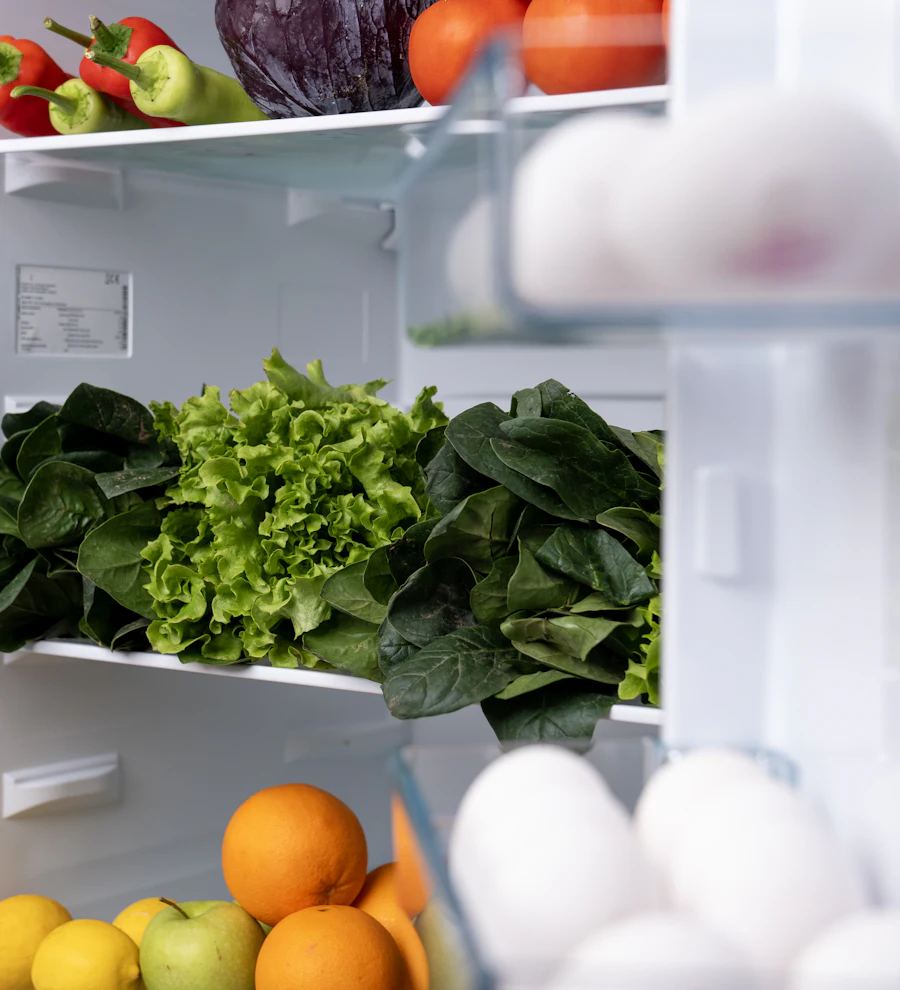
Fresh vegetables, fruit and eggs on the shelves and door bins of an open refrigerator
Common problems

Common refrigerator problems and what they usually mean

Refrigerators run around the clock, so problems tend to show up first as a change in temperature, water or sound.

Not cooling enough

The FDA recommends keeping the refrigerator at 40°F or below and the freezer at 0°F. If an appliance thermometer reads higher, common causes include dusty condenser coils, a failing condenser or evaporator fan, blocked air vents inside the cabinet, a worn door seal or a problem in the sealed cooling system.
Freezer works, fridge is warm

Cold air usually reaches the fresh-food section from the freezer. When that airflow is blocked by frost or a stopped fan, the freezer can stay cold while the refrigerator section warms up.

Water on the floor or inside

A blocked defrost drain, a loose or cracked water supply line, or an ice maker or water filter connection are frequent sources. Water under the crisper drawers often points to the defrost drain.

Frost or ice build-up

Heavy frost in the freezer can mean warm, humid air is getting in through a door that isn't sealing, or that the automatic defrost system isn't working as it should.

Ice maker or dispenser not working

Check that the ice maker is switched on and the water supply valve is open. A clogged water filter, a frozen fill tube or a failed water inlet valve can also stop ice and water production.

Clicking, buzzing or running constantly

New noises or a compressor that never seems to rest can come from fans, the defrost system or the compressor itself. It's worth having it checked before a small problem turns into spoiled food.

What you can safely check before calling

  • Temperature settings. Make sure the controls haven't been bumped, and give any change several hours to take effect.
  • Door seals. Close the door on a sheet of paper; if it slides out easily at several points, the gasket may not be sealing.
  • Air vents inside. Move food away from the vents between the freezer and the fridge so cold air can circulate.
  • Condenser coils. Unplug the refrigerator first, then gently vacuum the coils (usually behind the bottom grille or on the back) following your owner's manual.
  • Level and clearance. A refrigerator that tilts forward can keep its door from closing fully, and one pushed tight against the wall may not shed heat well.

When to call a refrigerator repair professional

  • Temperatures stay above 40°F after you've checked the settings, vents and door seals.
  • Water keeps returning after you've cleaned up and checked the water line connections.
  • The compressor clicks on and off repeatedly, or the refrigerator is silent and warm.
  • You smell burning or see sparking. Unplug it if it's safe to do so and stop using it.

Safety first: Work on the sealed refrigerant system must be done by an EPA-certified technician. Unplug the refrigerator before cleaning coils or looking behind it, and follow your owner's manual.

How a contractor typically diagnoses refrigerator problems

  1. Confirm the symptom: actual temperatures in both compartments, any error code, and when the problem started.
  2. Check airflow: the condenser coils and fan, the evaporator fan, and any frost on the evaporator cover inside the freezer.
  3. Test the defrost system and the controls if frost build-up or temperature swings point there.
  4. Check the sealed system last: compressor operation and signs of a refrigerant leak, which only an EPA-certified technician can repair.

What affects the cost of refrigerator repair

  • Whether there is a diagnostic or trip fee, and whether it counts toward the repair.
  • The part involved: door gaskets, fans and thermostats are usually smaller repairs than a compressor or other sealed-system work.
  • Refrigerator type and features: built-in, French door and models with ice makers or dispensers have more components to check.
  • Access: built-in cabinetry, tight alcoves and condo building rules can add time.
  • The refrigerator's age and how easy it is to get parts for your model.

This website doesn't set prices. Ask the contractor for a written estimate that separates parts and labor before you approve any work.

Living in Miami

How Miami's climate affects refrigerators

Refrigerators work harder in warm kitchens, and South Florida's humidity adds moisture every time the door opens. That extra load can make dusty coils, tired fans and worn door seals show up as warm temperatures or frost sooner than they might in a cooler climate.

Power outages during the Atlantic hurricane season, which runs from June 1 to November 30, are another local factor. USDA guidance says a closed refrigerator keeps food safe for about 4 hours and a full freezer for about 48. After power returns, check temperatures with an appliance thermometer and watch for error codes before restocking.

Repair or replace?

Repair or replace a refrigerator?

Many refrigerator problems, including fans, door seals, defrost parts, water valves and ice makers, involve parts that are often worth replacing. Sealed-system problems such as a failed compressor or a refrigerant leak are usually the most expensive repairs, so the age and overall condition of the refrigerator matter more in those cases.

Ask the contractor for a diagnosis and a written estimate, check whether the refrigerator is still under warranty, and compare the estimate with the price of a comparable new model. Newer ENERGY STAR certified models are often more efficient than older ones, which can matter for an appliance that runs all day.

What to tell the contractor

  • Refrigerator type: top-freezer, bottom-freezer, side-by-side, French door or built-in.
  • Brand and model number, usually on a label inside the fresh-food compartment.
  • What you've noticed, with temperature readings if you have them, and when it started.
  • Whether it has an ice maker or water dispenser connected to a water line.

Discuss the diagnosis, pricing and timing directly with the contractor, and confirm their license and insurance before work begins.

Maintenance

Simple care that helps prevent repeat problems

Your owner's manual is the final word for your model, but these habits help most refrigerators run reliably.

  • Clean the condenser coils as your owner's manual recommends.
  • Wipe the door gaskets and check that they seal all the way around.
  • Keep the air vents inside clear and avoid packing shelves tightly.
  • Replace the water filter on the schedule in your manual if your model has one.
  • Keep an appliance thermometer in each compartment so you notice changes early.
Questions

Refrigerator repair questions

Short answers to what Miami homeowners most often ask. For anything not covered here, the contractor can explain what they find.

What temperature should my refrigerator and freezer be?

The FDA recommends 40°F or below for the refrigerator and 0°F for the freezer. An inexpensive appliance thermometer is the most reliable way to check, because the dial on the control panel is a setting, not a reading.

Why is my refrigerator not cooling but the freezer still works?

Cold air usually flows from the freezer into the fresh-food section. If frost blocks that path or the fan that moves the air stops, the freezer can stay cold while the refrigerator warms up. A contractor can check the fan and the defrost system.

Why is there water under my refrigerator?

Common causes include a clogged defrost drain, a leaking water supply line, or a problem with the ice maker or water filter connection. Turning off the water supply valve can limit damage while you arrange a repair.

Is it safe to clean the condenser coils myself?

Yes, for most models. Unplug the refrigerator first, then use a vacuum attachment or coil brush on the coils behind the lower grille or on the back, following your owner's manual. Leave anything involving refrigerant to a certified professional.

How long will food stay safe if my refrigerator stops working?

USDA guidance says a closed refrigerator keeps food safe for about 4 hours, and a full freezer for about 48. Keep the doors closed, check temperatures with a thermometer, and follow USDA or FDA guidance on what to keep or discard.

Sources and further reading

Refrigerator acting up? Let's get you connected.

One call is all it takes to reach a local repair professional serving your Miami ZIP code.

Call (786) 905-0804 ZIP